Residential Electrician Guide to Circuit Breaker Problems
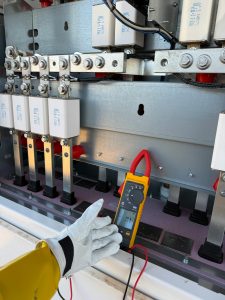

Circuit breaker trouble rarely starts with drama. More often, it shows up as a nuisance. A kitchen breaker trips when the toaster and microwave run together. The bedroom lights flicker once or twice a week. The air conditioner starts, the panel clicks, and half the house goes dark. Homeowners tend to treat these as isolated annoyances until the pattern becomes impossible to ignore.
From the perspective of a Residential Electrician, circuit breaker issues sit in a category that deserves respect. Sometimes the fix is simple, like redistributing portable heaters across different circuits. Sometimes the breaker itself has worn out after years of duty. And sometimes the breaker is doing exactly what it is meant to do, which is to interrupt power before overheated conductors, loose terminations, or a fault turn into a fire.
A circuit breaker is a protective device, not a comfort feature. If it keeps tripping, there is a reason. The reason might be harmless and temporary, or it might point to something hidden behind drywall, inside an appliance, or in the panel itself. Good troubleshooting depends on reading the clues in the right order and resisting the urge to guess.
What a breaker is actually telling you
When a breaker trips, it is reacting to heat, current, a fault condition, or some combination of those factors depending on its design. Standard thermal-magnetic breakers respond to overloads and short circuits. Arc fault circuit interrupters, often called AFCIs, watch for electrical arcing signatures that suggest damaged cords, loose wiring, or failing connections. Ground fault circuit interrupters, or GFCIs, monitor current imbalance that can indicate electricity leaking to ground, which matters especially in bathrooms, kitchens, garages, laundry rooms, basements, and exterior locations.
That distinction matters because not all trips mean the same thing. A standard breaker that trips after ten or fifteen minutes of a space heater running points toward overload. A breaker that snaps off instantly the moment you turn on a disposal or vacuum https://remingtonpgqq330.capitaljays.com/posts/residential-electrician-services-to-prepare-your-home-for-summer suggests a short circuit or a serious fault in the appliance or branch wiring. An AFCI that trips at random times, especially when a motor starts or a switch is flipped, can indicate arcing, though nuisance tripping is also a real possibility with certain loads and older devices. A GFCI breaker that trips when it rains may be tracing moisture intrusion in an exterior box or fixture.
One of the most common mistakes I see is homeowners describing every shutoff as “the fuse blew.” Modern homes use breakers, not fuses, in most cases, and the behavior tells you a lot. A fuse that opens is done. A breaker can be reset, but that does not mean the problem is gone. It simply means the device can close again after interrupting the fault.
The most common causes behind repeated tripping
If I had to rank the causes of residential breaker problems by how often they appear on service calls, overload would be near the top. Homes built decades ago were not designed around countertop air fryers, gaming computers, portable AC units, towel warmers, and multiple battery chargers running at once. A 15 amp general lighting circuit in an older bedroom can get overwhelmed quickly if someone adds a treadmill, a mini fridge, and a space heater. The breaker is not being difficult. It is reacting to too much current on too little circuit capacity.
Loose connections come next, and they are more subtle. A breaker may not trip right away. Instead, you get intermittent flickering, a warm outlet, a faint burnt smell near the panel, or a breaker that feels hotter than the neighboring ones. A loose termination increases resistance. Resistance creates heat. Heat degrades insulation and terminals over time. By the time a breaker starts tripping regularly, the connection may already be discolored or damaged.
Then there are direct faults. A staple driven too tightly into cable during a renovation, a nail through a wire behind a newly hung shelf, rodent damage in an attic, a failing dishwasher motor, or an outdoor receptacle with water in it can all create fault conditions that trip a breaker immediately. In these cases, resetting without investigation is not just unhelpful, it can be risky.
Aging breakers also deserve attention. Breakers do not last forever. Their internal mechanisms weaken, thermal elements drift, and contact surfaces wear with use and heat cycles. I have replaced breakers that tripped too easily and others that were disturbingly reluctant to trip under obvious load. Both situations are bad. A breaker that trips below its rating is inconvenient. A breaker that fails to trip when it should can be dangerous.
There is also the matter of panel condition. Corrosion, overheating at bus bars, improper breaker fit, double-tapped conductors where the breaker is not rated for two wires, and mismatched breaker brands create problems that are often blamed on “bad luck.” In reality, the panel may be telling the truth about deeper installation issues.
When the pattern points to overload
Overload trips usually leave a trail you can follow. The breaker often stays on for a while before tripping. The trip may happen at predictable times, such as during breakfast when the coffee maker, toaster, and microwave share two small appliance circuits that are already carrying a refrigerator load. Or in winter, it happens in the back bedroom only when a portable heater is running.
A useful rule of thumb is that a continuous load should generally not sit right at the breaker’s full rating for extended periods. On a 15 amp circuit, practical usable load over time is lower than the printed maximum. That is why a single 1500 watt heater on a 15 amp circuit can bring you uncomfortably close to the edge, especially if lamps, chargers, televisions, or other devices are already on that same run. On a 20 amp kitchen circuit, the numbers look better on paper, but several heat-producing appliances can still stack up fast.
Older homes make this more interesting. It is common to find one receptacle circuit feeding multiple rooms, or kitchen counter outlets tied into layouts that would not pass current expectations for appliance use. Homeowners sometimes assume a room equals a circuit. In many houses, it does not. I have traced one 15 amp breaker serving a home office, a hallway outlet, two bedroom walls, and part of a living room. Once that office got dual monitors, a laser printer, and a window AC unit, the breaker started tripping every afternoon.
Sometimes the practical fix is behavioral, not electrical. Moving a heater to a different properly sized circuit can solve the nuisance. Other times, the lasting fix is adding a dedicated circuit. A Residential Electrician will usually think in terms of load calculation and usage pattern first, because replacing a breaker without addressing an actual overload only delays the next trip.
When it trips instantly, think fault before capacity
An instantaneous trip changes the tone of the diagnosis. If the breaker snaps off the moment a switch is flipped or a plugged-in device is energized, suspect a short circuit, ground fault, or an internal equipment problem. This is where observations matter.
If the breaker trips only when one specific appliance runs, unplugging that appliance and testing the circuit without it can be revealing. A damaged cord cap, motor winding failure, or moisture inside an outdoor tool can create a direct fault. If the breaker still trips with nothing connected, the branch circuit itself becomes more suspicious. That pushes the investigation toward receptacles, switches, junction boxes, fixtures, and any recent work done in the area.
I remember a case where a dining room breaker began tripping the moment the chandelier switch was used. The homeowner had replaced the fixture themselves and was convinced the breaker was old. The actual issue was a pinched conductor under the fixture canopy. Every time the switch energized the hot lead, it faulted to the metal housing. The breaker was doing its job perfectly.
Faults behind walls are trickier. A picture-hanging nail through a cable may not cause a problem for weeks or months if it just grazes insulation at first. Temperature changes, humidity, or vibration can eventually turn marginal damage into a hard fault. That is why a trip that appears “random” after recent mounting, remodeling, or trim work deserves careful attention.
AFCI and GFCI breakers confuse a lot of homeowners
Arc fault and ground fault breakers have improved residential safety, but they also create a layer of diagnostic complexity. Many homeowners cannot tell which type they have, and many older panels contain a mix. The breaker face usually gives it away, along with a test button on many models.
AFCI breakers can trip because of a damaged vacuum cord, a loose backstabbed receptacle, a lamp with a worn switch, or a connection that begins arcing only when current rises. They can also trip because of compatibility quirks with certain electronics, motors, or older devices, though that should never be the first assumption. If an AFCI trips repeatedly, I look for loose terminations and suspect receptacles before blaming the breaker.
GFCI breakers respond to very small leakage currents, often around the milliamps range. That sensitivity is what makes them effective near water. It also means they will react to moisture, deteriorated insulation, or neutral-to-ground issues that a standard breaker would ignore. A GFCI trip in a garage on a humid morning might trace back to a freezer cord, an exterior outlet cover that no longer seals, or a neutral touching ground in a downstream box.
Reset procedures matter here. Some breakers need to be pushed fully to the off position before they will reset. Homeowners sometimes think a breaker is defective when it simply has not been fully reset. That said, a breaker that immediately trips again after proper reset should not be forced repeatedly.
Signs that the problem may be in the panel itself
Not every breaker problem starts out on the branch circuit. Panels age, connections loosen, and heat leaves evidence. If I open a panel and see discoloration near one breaker position, oxidation on bus connections, or insulation that has browned near a terminal, the conversation changes quickly.
These warning signs deserve prompt professional inspection:
- A breaker feels unusually hot compared with adjacent breakers
- You smell burning or melting plastic near the panel
- There is visible rust, moisture, or corrosion in or around the enclosure
- One breaker is loose on the bus or will not seat correctly
- The same breaker position continues to act up even after the load is verified
A hot breaker does not automatically mean a bad breaker. It can also reflect a loose wire on the terminal, excessive sustained load, internal bus damage, or poor contact between the breaker and bus stab. The distinction matters because changing the breaker alone might not fix the root issue.
Brand compatibility is another point homeowners rarely know about. Not every breaker fits every panel safely, even if it clicks in place. Using a non-listed breaker can create poor contact at the bus, leading to overheating and unreliable operation. I have seen this after rushed handyman repairs and even after DIY swaps done with the best intentions.
Some older panel brands have known histories that make any recurring breaker problem worth taking seriously. The article is not the place for a blanket diagnosis by brand, but if your home has an older service panel and breaker behavior is odd, a thorough evaluation is money well spent.
Why “just replace the breaker” is often the wrong first move
Because breakers are visible and relatively inexpensive compared with rewiring, people like to start there. Sometimes that works. If a breaker has become weak, trips below normal load, shows physical wear, or fails testing, replacement is appropriate. But treating the breaker as the default culprit often wastes time.
A breaker is a messenger. Replacing the messenger without understanding the message can mask a dangerous condition temporarily or leave the same symptoms untouched. If a receptacle has a loose neutral and starts arcing under load, the new breaker may trip too. If an old dishwasher has insulation breakdown in its internal wiring, a replacement breaker will not cure it. If a kitchen circuit is overloaded because the home simply needs another dedicated line, the new breaker will still see too much current.
Good diagnosis starts with the complaint and the pattern. When does it trip, instantly or after time? What changed recently? Is there one appliance involved or several? Are lights dimming elsewhere? Is the problem seasonal? Did a storm, a leak, or a remodel happen before the issue began? Electricians build the answer from these details.
Safe steps a homeowner can take before calling
There is a narrow lane of safe homeowner troubleshooting, and it stops well short of opening a live panel or replacing devices without proper knowledge. Still, a few observations can save time and lead to a faster repair.
You can do the following safely before a service call:
- Note which breaker trips and what was running at the time
- Unplug portable appliances on that circuit and see whether the problem changes
- Check for obvious moisture at outdoor, garage, basement, or bathroom outlets
- Look for warm, discolored, or buzzing receptacles, without removing covers
- Fully reset the breaker once, then stop if it trips again
That last point matters. Repeatedly resetting a breaker that trips immediately is not productive. If the cause is a hard fault, every reset reintroduces energy into a problem condition. Once is enough to confirm the behavior. After that, the right move is investigation.
A homeowner can also map what is on the circuit. This is often eye-opening. One breaker may cover more of the house than expected, and that knowledge alone can explain an overload pattern. I have had service calls resolved partly by discovering that a garage freezer and a laundry room receptacle were on the same circuit as the homeowner’s holiday lighting.
What a Residential Electrician usually checks first
On site, the process is methodical. A Residential Electrician starts with the breaker type, rating, and symptom pattern. Then comes load isolation, appliance testing if relevant, panel inspection, torque and connection checks where appropriate, and tracing of the affected branch circuit. If the issue points toward a fault, the electrician may disconnect downstream sections to narrow the location. If it points toward overload, the electrician may measure current under normal use and compare that to circuit rating and conductor size.
There is judgment involved. A breaker tripping only during summer afternoons may point toward HVAC strain, attic heat affecting equipment, or a condenser circuit issue. A bedroom AFCI trip that happens only when a phone charger is plugged into one specific receptacle may expose a loose backwired connection. A bathroom GFCI breaker that trips during rain may lead directly to an exterior junction box with a failed gasket, even if the homeowner never associates the two.
The best electricians also look beyond the single complaint. If one breaker has been acting up because the panel is overcrowded, poorly labeled, or showing signs of heat, the homeowner should hear that plainly. The goal is not just to make the breaker stop tripping today. It is to restore safe, reliable operation.
Repair, upgrade, or reconfigure?
Not all fixes belong in the same bucket. Sometimes the answer is a repair, like replacing a failed receptacle, tightening a loose termination, or correcting a damaged section of branch wiring. Sometimes it is a direct replacement of a defective breaker with a listed, correct model. And sometimes the issue is telling you the electrical system no longer matches how the house is used.
That is especially true in remodeled kitchens, garage workshops, home offices, and houses with added basement living space. The loads have changed even if the wiring has not. A home built for one television and a bedside lamp may now support workstations, servers, gaming systems, treadmills, portable HVAC equipment, and kitchen appliances that draw real power. Reconfiguring loads, adding circuits, or upgrading the panel becomes less of a luxury and more of a practical correction.
I have had homeowners hesitate over adding a dedicated circuit for a microwave or a garage freezer because the existing setup “mostly works.” Usually, “mostly works” means the breaker only trips when guests come over, when the weather turns hot, or when one more device is added. That margin is too thin. Good electrical systems should tolerate normal living without nuisance trips.
The cost of waiting too long
Breaker problems are easy to postpone because the panel is out of sight and the system often keeps working between incidents. But delay changes the risk profile. Overloads generate heat. Loose connections worsen. Arcing damages conductors and terminals. Moisture spreads corrosion. What begins as a breaker that trips once a month can become a charred receptacle, a failed appliance, or in the worst cases, an ignition source.
The frustrating part is that many of the underlying issues are repairable before they become expensive. Catch a loose connection early, and you may need a straightforward device replacement and terminations corrected. Ignore it until the metal is badly damaged, and now there may be conductor repair, box replacement, drywall work, or panel service involved.
That is why breaker behavior deserves attention even when it seems minor. A protective device that changes habits is sharing information. The homeowner does not need to know all the technical details, but they do need to treat the signal seriously.
A reliable electrical system should fade into the background. You should not have to remember which outlets can run together, which room cannot handle a heater, or how to stand at the panel and coax one stubborn breaker back on. When a breaker starts demanding that kind of accommodation, it is time to find out why. A careful diagnosis by a qualified Residential Electrician usually separates the simple from the serious quickly, and that clarity is worth a great deal.
Paxos Electric Company, LLC
255 NJ-15, Wharton, NJ 07885, United States
+1 973-598-8543
FAQ About Residential Electrician
What does a residential electrician do?
A residential electrician installs, inspects, maintains, and repairs electrical systems in homes. Common services include troubleshooting circuits, replacing panels, adding outlets and lighting, and completing electrical work for renovations.
When should I call an electrician for my home?
Call a licensed electrician if you notice repeated breaker trips, flickering lights, buzzing, burning odors, warm outlets, sparks, or unexplained power loss. Urgent warning signs should be addressed promptly.
Can a residential electrician upgrade an electrical panel?
Yes. A qualified electrician can evaluate the existing service, determine whether an upgrade is appropriate, obtain required permits, and install a panel sized for the home and planned electrical loads.
Do I need an electrician to install an EV charger?
A home EV charger often needs a dedicated circuit and a review of panel capacity. A licensed electrician can confirm the manufacturer requirements and complete the installation according to local electrical codes.